GROWTH HAS REACHED ITS LIMITS
Asunción Is Running Out Of Room To Expand
Over the past 50 years, Greater Asunción has grown from fewer than 500,000 residents to approximately 2.7 million people today.
The problem is not population growth. The problem is geography.
A City Surrounded By Its Own Boundaries
The result
Asunción continued growing.
But it could only grow in one direction. Year after year, new neighborhoods, roads and developments expanded further east and southeast because there was simply nowhere else to go.
The consequences are visible today:
A Unique Situation
Few major cities in the world have spent so long growing without fully crossing the river that runs directly through their metropolitan area.
While the population grew from 500,000 to 2.7 million people, the western side remained largely disconnected from the city’s natural expansion.
Meanwhile
In short: The city is not running out of growth. It is running out of directions to grow.
A NEW DIRECTION FOR A GROWING
The Bridge That Changed the Map
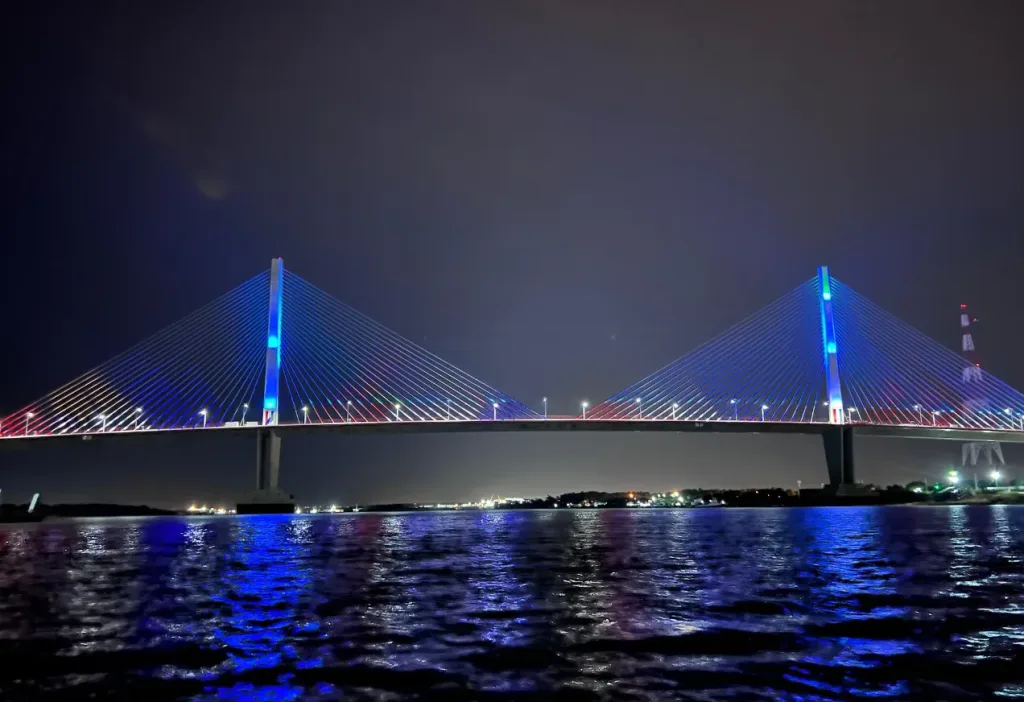
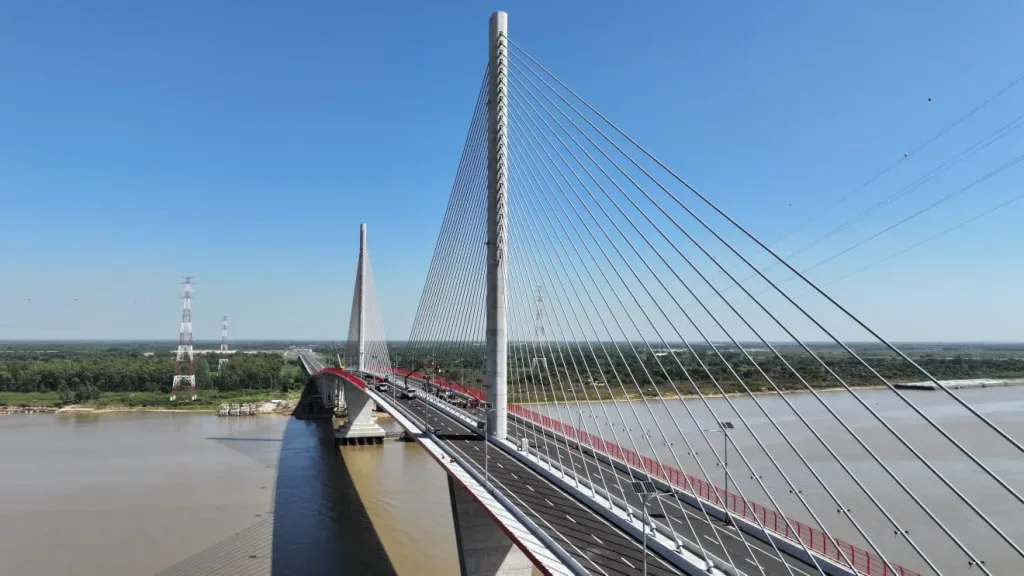
The new “Heroes of Chaco” bridge brings a great change to the future of Asunción’s urban landscape.
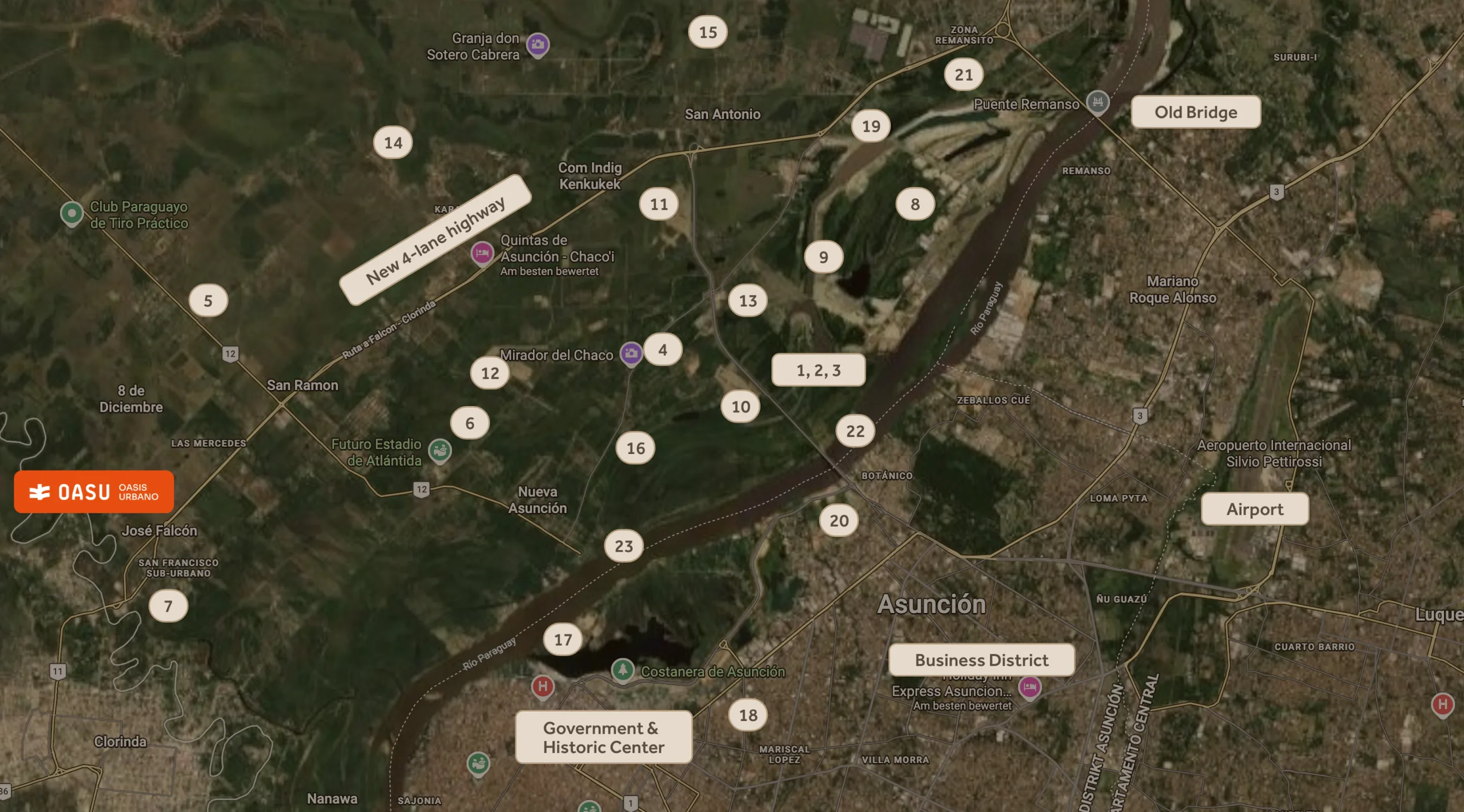
From now on, several key areas of Asunción are connected by a 4-lane highway system on the other side of the bridge, where a new city is being created:
Its strategic location supports efficient travel, as it connects the new area with:
The old “Remanso” bridge is too far away to be an effective connection. Detours add approximately one hour to the journey, much more during peak hours.
It is a unique situation that a city with almost 3 million inhabitants has only been able to expand in one direction and has only now built the bridge over the river.
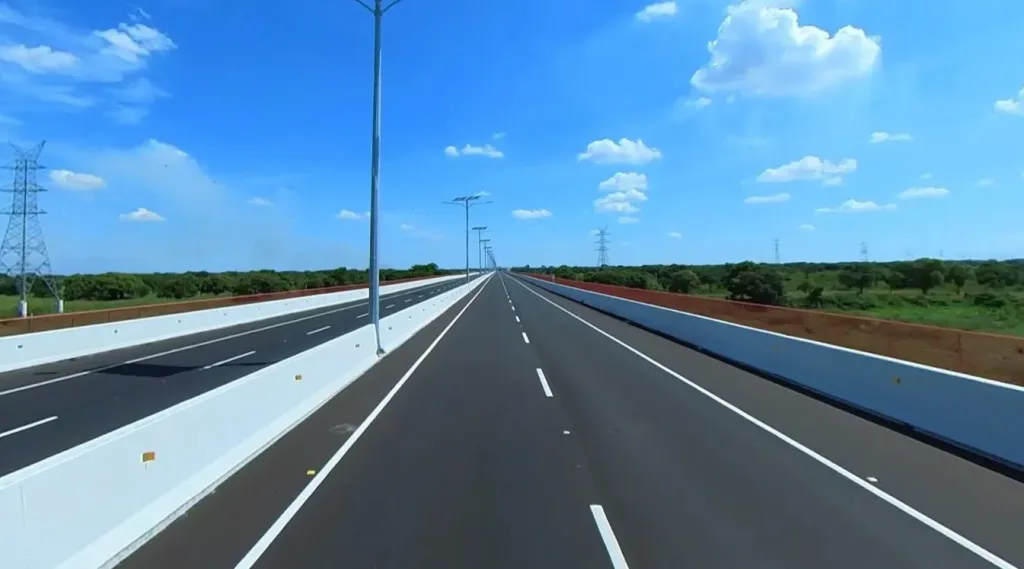
4-lane road connection — no traffic lights on main route
Direct access to Costanera and government district
Connection to corporate axis and shopping areas
Route to airport via Ñu Guasu corridor
Old Remanso bridge was too far for daily commuters
First realistic urban link to western land reserve
DEMAND CONTINUES TO GROW
High population growth in Paraguay and Asunción
Like most major cities, Asunción has expanded in response to population growth, economic activity and increasing demand for housing.
Over the past decades, this growth occurred primarily toward the east, northeast and southeast. Municipalities such as Luque, San Lorenzo, Fernando de la Mora, Capiatá and others gradually became integrated into a larger metropolitan system that today forms Greater Asunción.
This expansion created one of the largest concentrations of population, employment and economic activity in Paraguay.
Today, Greater Asunción is home to approximately 2.7 million people and continues to function as the country’s primary economic center.
A video that clearly shows the growth
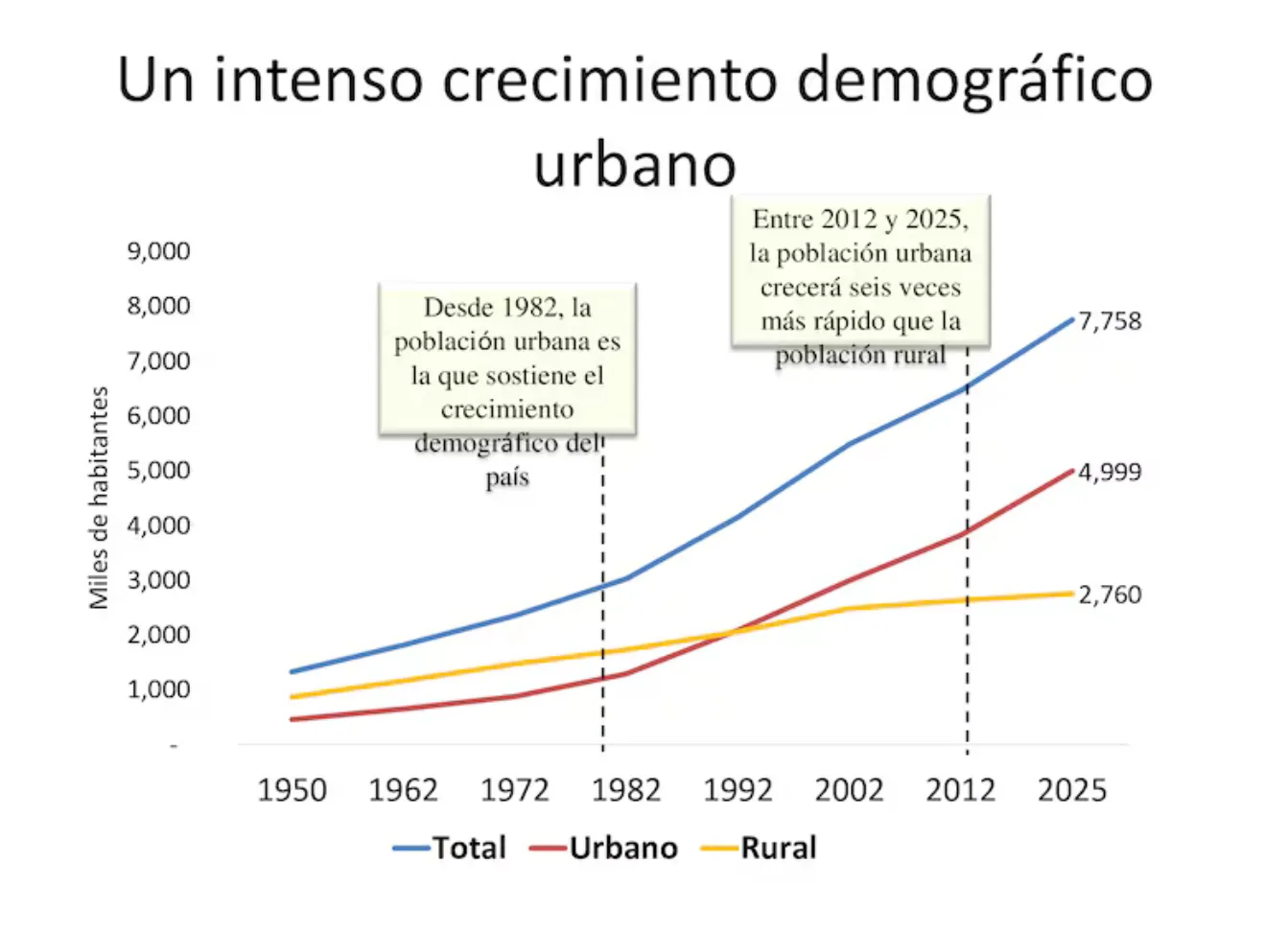
Data on urban and rural population growth. Source: abc.com.py
A CITY UNDER TRAFFIC Pressure
Traffic Is Becoming One Of Asunción’s Biggest Problems
Asunción was not designed for the number of people who use it today.
More than 1.5 million people enter the capital every day, creating enormous pressure on roads, bridges and transportation infrastructure.
For decades, metropolitan growth followed the same major corridors east of the city. As these areas expanded, traffic volumes increased while road capacity struggled to keep pace.
Today, congestion has become a daily reality across much of Greater Asunción.
The Reality
The Consequence
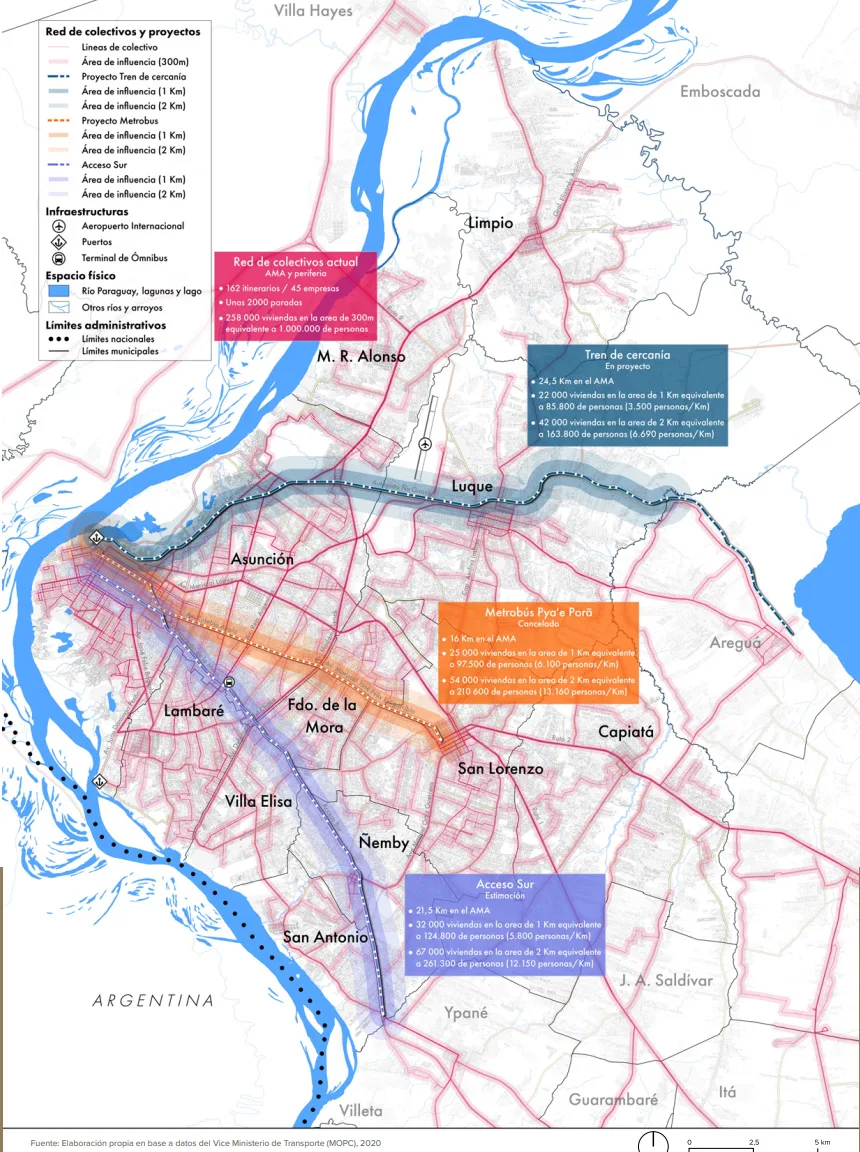
Chorizo’ cities: The traffic problem in Asunción and the Metropolitan Area.
Source: biocons.com.py
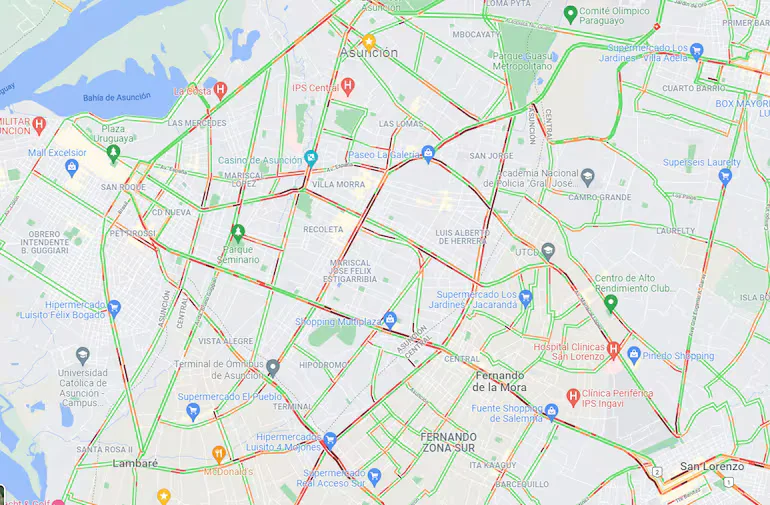
Asunción and its main access roads are often congested, especially during rush hour.
Extreme delays are common.
Source: Google maps
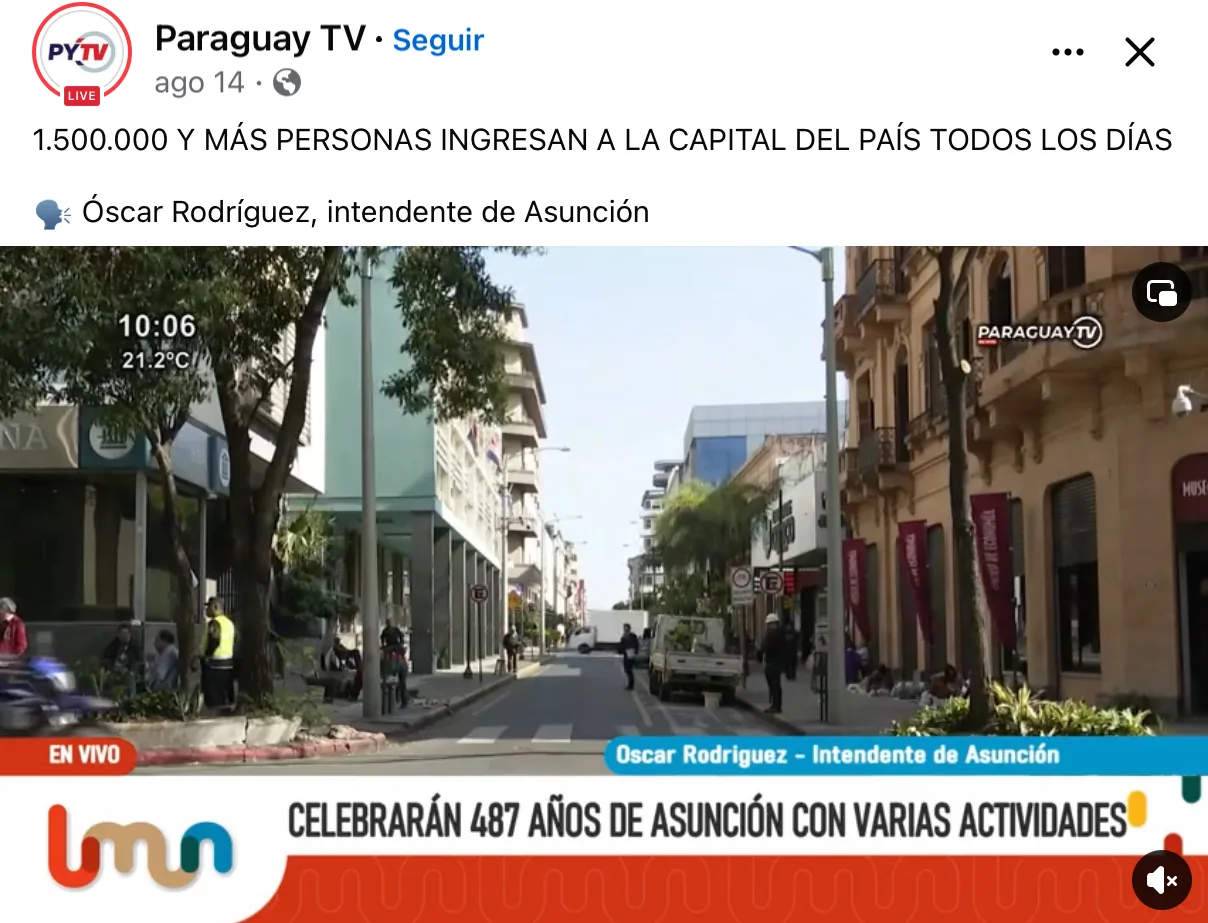
“1,500,000 or more people enter the country’s capital every day,” said Óscar Rodríguez, mayor of Asunción.
Source: ParaguayTV
TOO FEW HOMES. TOO MANY PEOPLE.
Housing Demand Is Growing Faster Than Supply
Population growth is not the challenge. Housing supply is.
Paraguay faces a significant housing deficit that has developed over decades of population growth, urbanization and increasing demand for home ownership.
As more people move toward Greater Asunción, demand for housing continues to rise while available supply struggles to keep pace.
The result is growing pressure on existing neighborhoods, infrastructure and available development land.
What’s Driving The Shortage?
The Result
Greater Asunción does not have a population problem. It has a housing shortage.

“Paraguay’s housing deficit is almost 1,600,000 homes.”
Source: Forbes Paraguay
TOO MANY PEOPLE. TOO FEW ROUTES.
1.5 Million People Enter The Capital Every Day
More than 1.5 million people enter Asunción every day.
The result is a transportation network that is increasingly operating at its limits.
Major access roads are frequently congested, rush-hour delays have become part of daily life and millions of journeys depend on a small number of heavily used corridors.
As the metropolitan population continues to grow, pressure on roads, bridges and transportation infrastructure continues to increase.
The result is visible across the metropolitan area:
THE MISSING PIECE WAS CONNECTIVITY
The West Side Was Never Far Away
For decades, the western side of the Río Paraguay remained largely overlooked—not because of its location, but because of its accessibility.
The distance to Asunción was always short. The problem was getting there efficiently. As a result, most metropolitan growth moved east, where infrastructure and daily access were easier.
Today, that situation is changing:
The Héroes del Chaco Bridge, the creation of Nueva Asunción and ongoing infrastructure investments have transformed how the western corridor connects to the capital.
What was once seen as a peripheral area is increasingly being viewed as part of Greater Asunción’s next phase of expansion.
What Changed:
ACCESSIBILITY CREATES VALUE
The Bridge Connected More Than Two Riverbanks
The Héroes del Chaco Bridge did more than cross a river.
It connected the western side of the Paraguay River directly with the places people need to reach every day.
For the first time, Nueva Asunción gained fast and efficient access to the economic, administrative and commercial center of Paraguay.
This is why the bridge is viewed as more than a transportation project. It transformed accessibility across the entire western corridor.
Direct Connections:
Downtown Asunción
Government District
Costanera
Commercial Areas
Business Corridors
Airport Access Routes
STRATEGIC LAND IS LIMITED
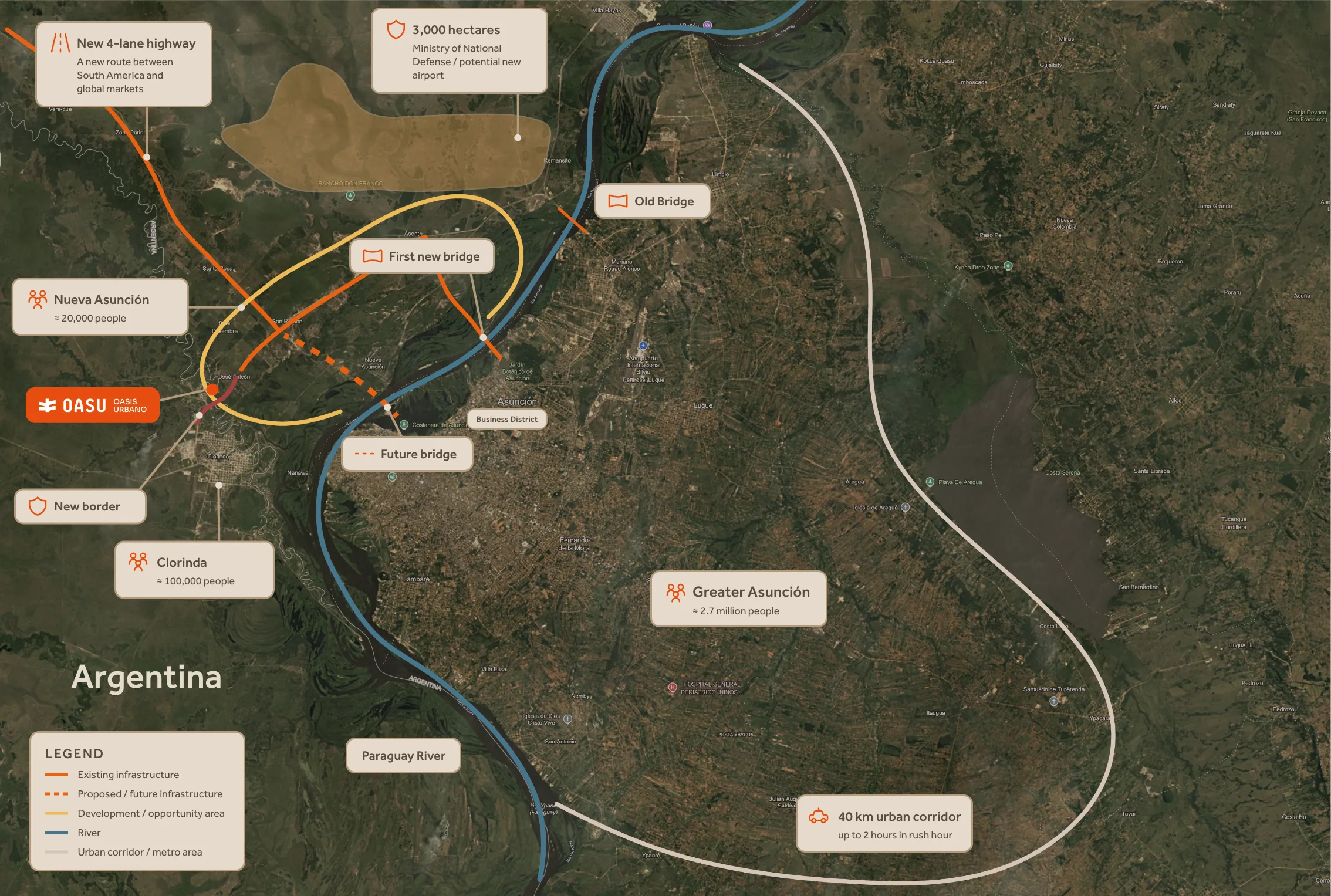
The New Asunción & Falcón Zone has a limited area
The western expansion corridor of Greater Asunción is not unlimited.
To the east lies the Paraguay River.
To the south lies Argentina.
Large areas are occupied by Ministry of Defense land that is unlikely to become available for private development. (Marked green area)
As a result, the amount of strategically positioned land within the Nueva Asunción – José Falcón corridor is far more limited than many people realize.
At the same time, infrastructure investment, improved connectivity and growing metropolitan pressure are increasing attention on the region.
The Result
For investors, the question is not how much land exists in Paraguay. The question is how much land exists in the right location.
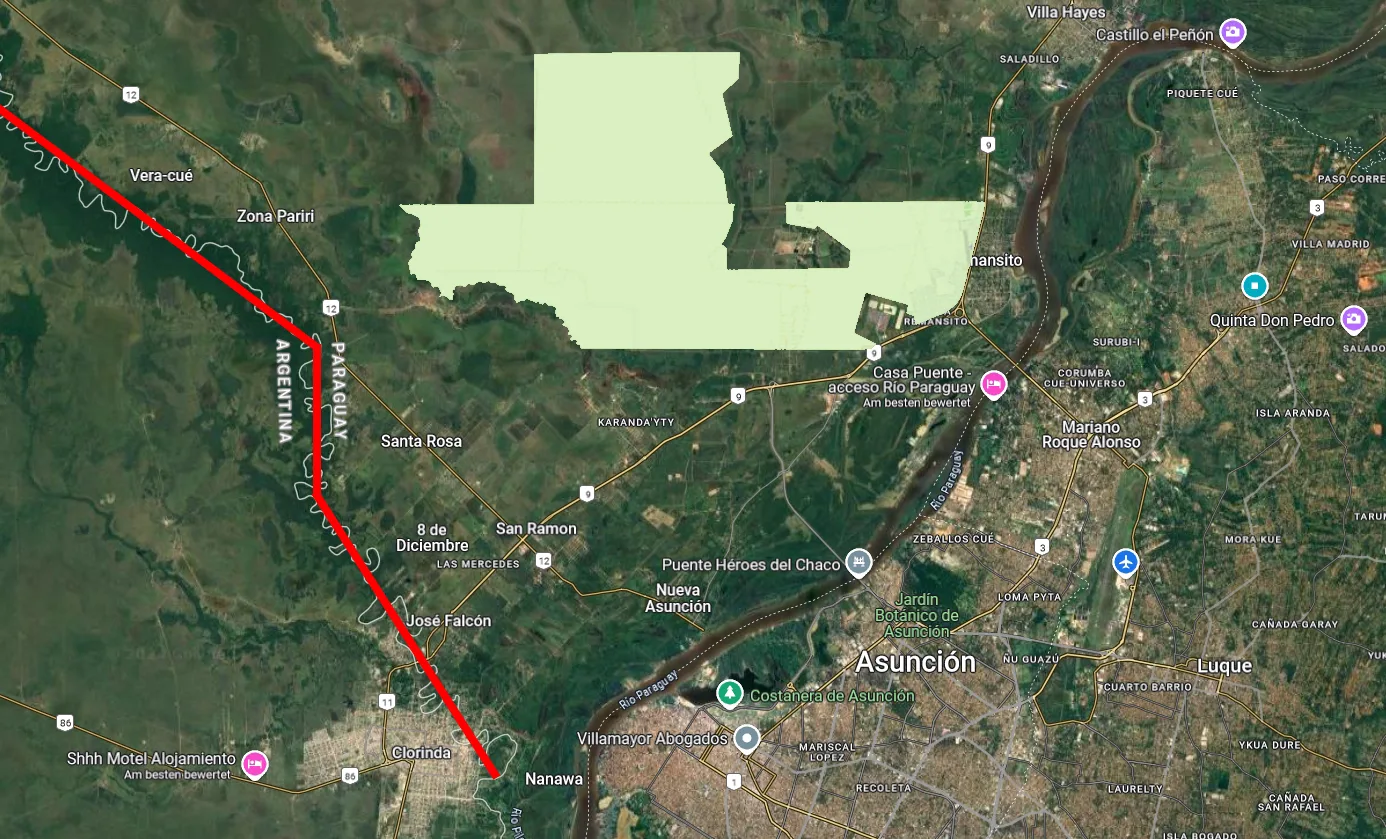
The Paraguay River, Argentina and Ministry of Defense land holdings (green area) create a geographically limited growth corridor.
THE NEXT PIECE OF THE NETWORK
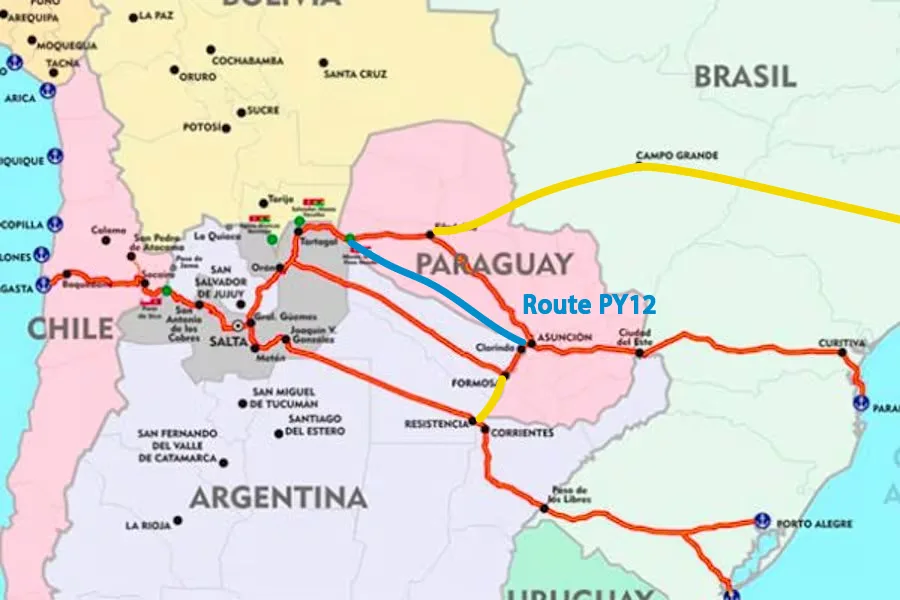
Route PY12 Strengthens The Corridor
The Héroes del Chaco Bridge opened the door. Route PY12 helps connect the entire corridor.
For years, limited road infrastructure restricted mobility throughout the region. The ongoing expansion of Route PY12 is improving how people, goods and services move between José Falcón, Nueva Asunción and the wider transportation network.
This is important because accessibility depends on more than a bridge. A growth corridor can only develop if it is supported by efficient road connections.
As connectivity improves, the region becomes increasingly attractive for residents, businesses, logistics and future investment.
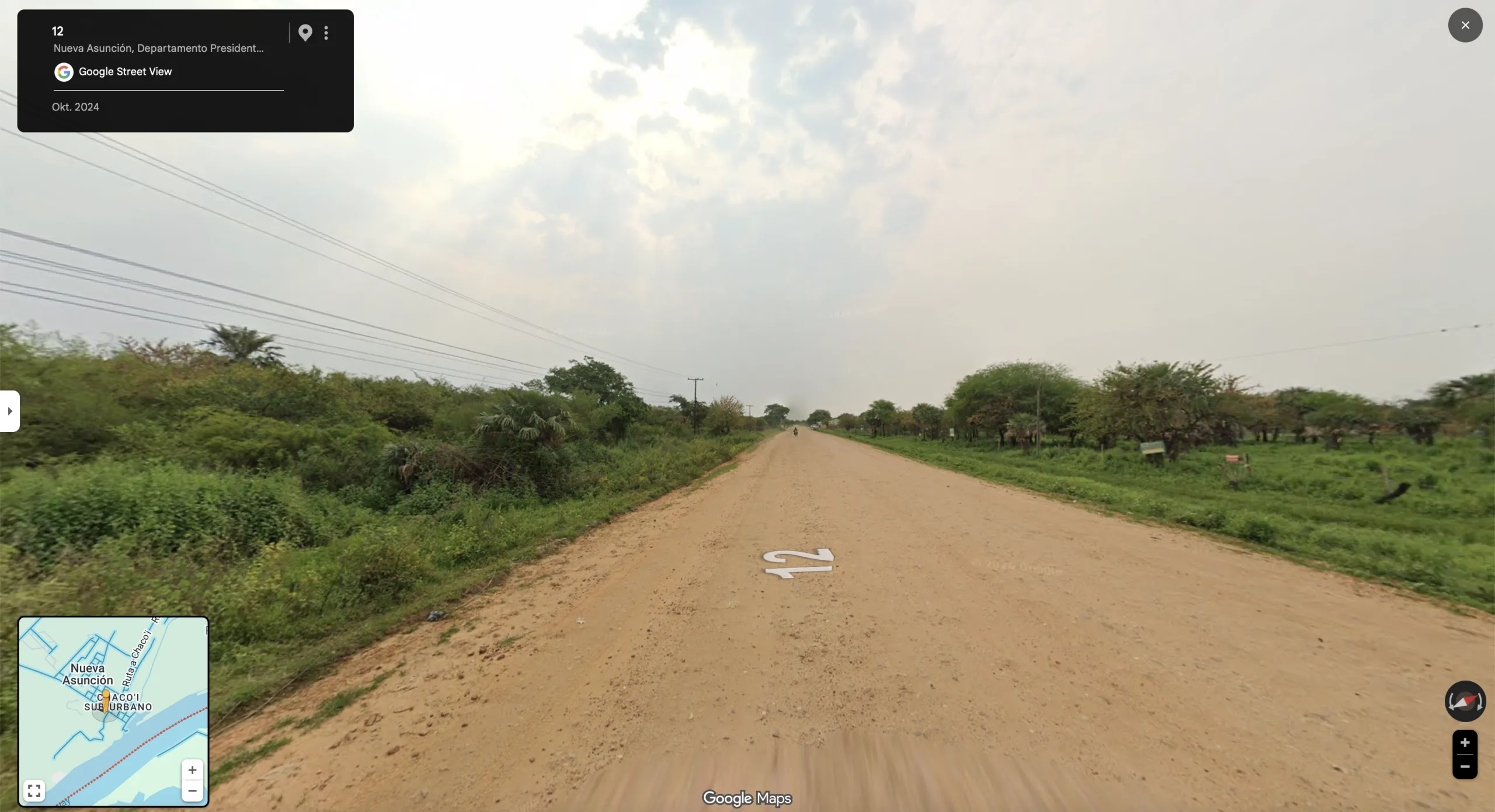
Route PY12 in October 2024
Source: Google Maps
A bridge creates access. A road network turns access into opportunity.
A Potential Alternative To The Panama Canal
A New Trade Route Between The Atlantic And Pacific Oceans
The Héroes del Chaco Bridge changed how the western corridor connects to Asunción. Route PY12 connects it to something much bigger.
The highway forms part of the infrastructure network linking Paraguay to the Bioceanic Corridor, one of the largest transportation projects currently being developed in South America.
The vision is simple but powerful:
Create a direct land connection between the Atlantic and Pacific Oceans.
The corridor stretches more than 2,400 kilometers across Brazil, Paraguay, Argentina and Chile, connecting Atlantic ports in Brazil with Pacific ports such as Antofagasta, Mejillones and Iquique.
More Than A Highway
The Bioceanic Corridor is designed to become a new trade route connecting South America with global markets.
Agricultural products. Industrial goods. Mining products. Food exports.
Instead of relying exclusively on long maritime routes, exporters will gain direct access to Pacific ports and faster connections to Asia and the west coast of North America.
A Potential Alternative To The Panama Canal
Today, many exports from the interior of South America travel thousands of additional kilometers before reaching Pacific markets.
The Bioceanic Corridor offers an alternative route.
According to regional trade organizations, the corridor could:
Why The Project Matters
The importance of the corridor goes far beyond transportation. It connects:
For a landlocked country like Paraguay, projects of this scale can fundamentally change how the country connects to the world.
The Bioceanic Corridor is not just another highway. It is a new route between South America and global markets.
Source: lanacion.com.py
WHERE METROPOLITAN GROWTH MEETS INTERNATIONAL CONNECTIVITY
There is potential for the development of a new border city.
A Strategic Border Location
José Falcón is positioned between two powerful forces: Greater Asunción and the Argentine border.
This gives the corridor a rare dual advantage. It is connected to Paraguay’s largest metropolitan market while also linking directly to Clorinda, Formosa and broader regional trade routes.
As infrastructure improves, this location becomes relevant not only for residential development, but also for commerce, mobility and cross-border activity.
Strategic Advantages
Few locations combine capital-city access and international border connectivity within the same corridor.
Border Infrastructure Is Expanding
The Falcón–Clorinda crossing is more than a border point. It is one of the region’s key connections between Paraguay and Argentina.
As movement of people, goods and services increases, border infrastructure becomes more important for the entire corridor.
Modernization and expansion can improve efficiency, strengthen trade flows and support broader regional development.
Benefits Of Border Modernization
Border infrastructure is not only about crossing a border. It is about connecting economies.
GOVERNMENTS INVEST WHERE THEY EXPECT GROWTH
Border Infrastructure Worth More Than USD 55 Million
The Puerto Falcón–Clorinda crossing is already one of the most important border gateways between Paraguay and Argentina.
To improve efficiency, connectivity and regional integration, a major modernization project is now underway.
The project includes the construction of a new border center, improved access roads, upgraded circulation infrastructure and additional facilities designed to streamline the movement of people, vehicles and goods between both countries. The total investment exceeds USD 55 million, with approximately USD 32.6 million financed through non-repayable MERCOSUR FOCEM funds.
This investment reflects the growing importance of the Puerto Falcón corridor within regional transportation and trade networks.
What The Project Includes
Why It Matters
As infrastructure improves, border crossings become more than transit points.
They become economic corridors that support trade, logistics, tourism and regional growth.
For José Falcón, this represents another significant public investment strengthening the long-term importance of the region.
Infrastructure investment follows strategic locations. There is potential for the development of a new border city.
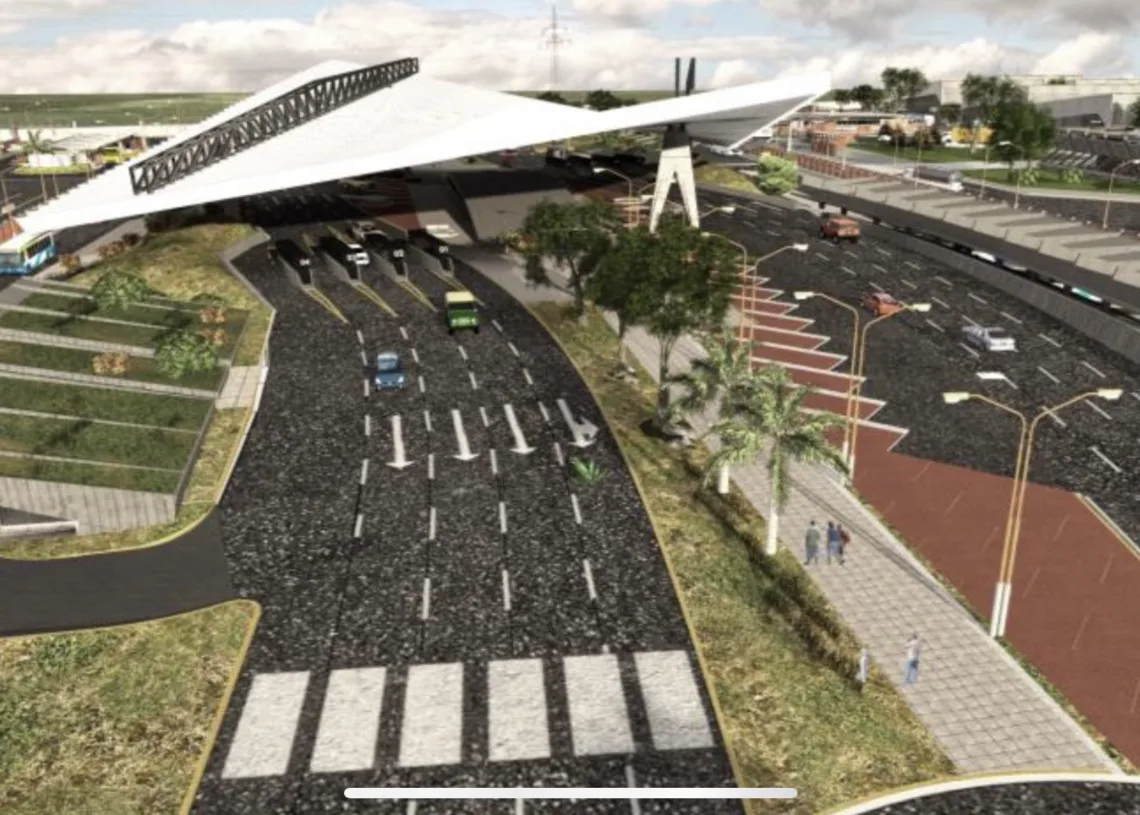
More than USD 55 million is now being invested in one of Paraguay’s most important border crossings. Source: rcc.com.py
No risk of flooding
The Land Has Remained Dry For Decades
Water is one of the most important considerations for any land development near the Paraguay River. That is why Oasu commissioned professional hydrological studies before finalizing the masterplan.
Rather than relying on assumptions or isolated events, the analysis evaluates terrain characteristics, drainage conditions, surface runoff, historical river records and long-term water behavior. The findings are integrated directly into the project’s planning process, influencing road design, drainage infrastructure, green spaces and landscape integration.
The studies also distinguish between temporary surface water after heavy rainfall and actual river flooding, an important difference in the Humid Chaco, where clay soils and historic excavation areas can naturally retain rainwater without indicating flood events.
Instead of claiming that flooding is impossible, Oasu follows a responsible planning philosophy: understand the land first, then design the community around its natural water dynamics.
Key Facts
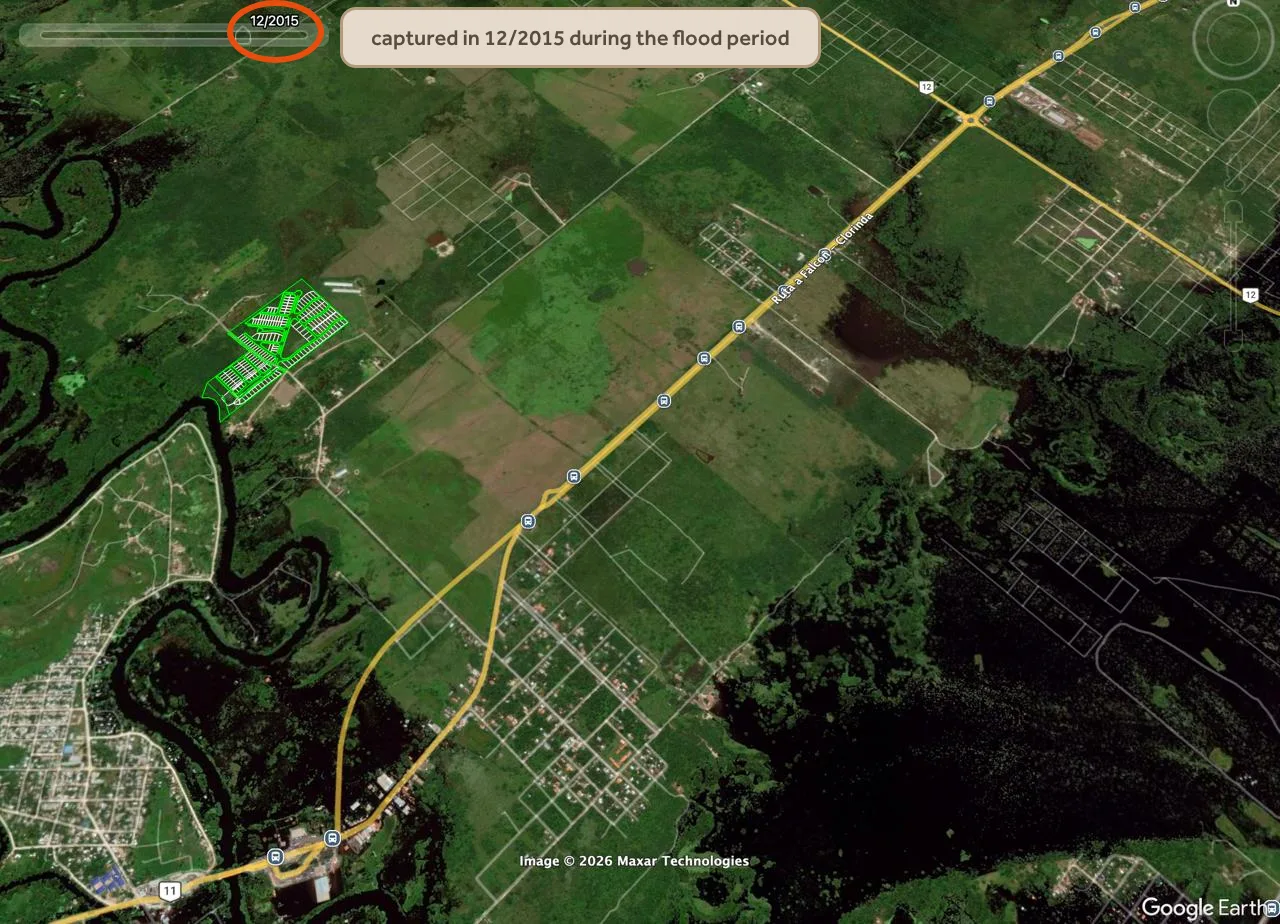
Captured in 12/2015 during the flood period.
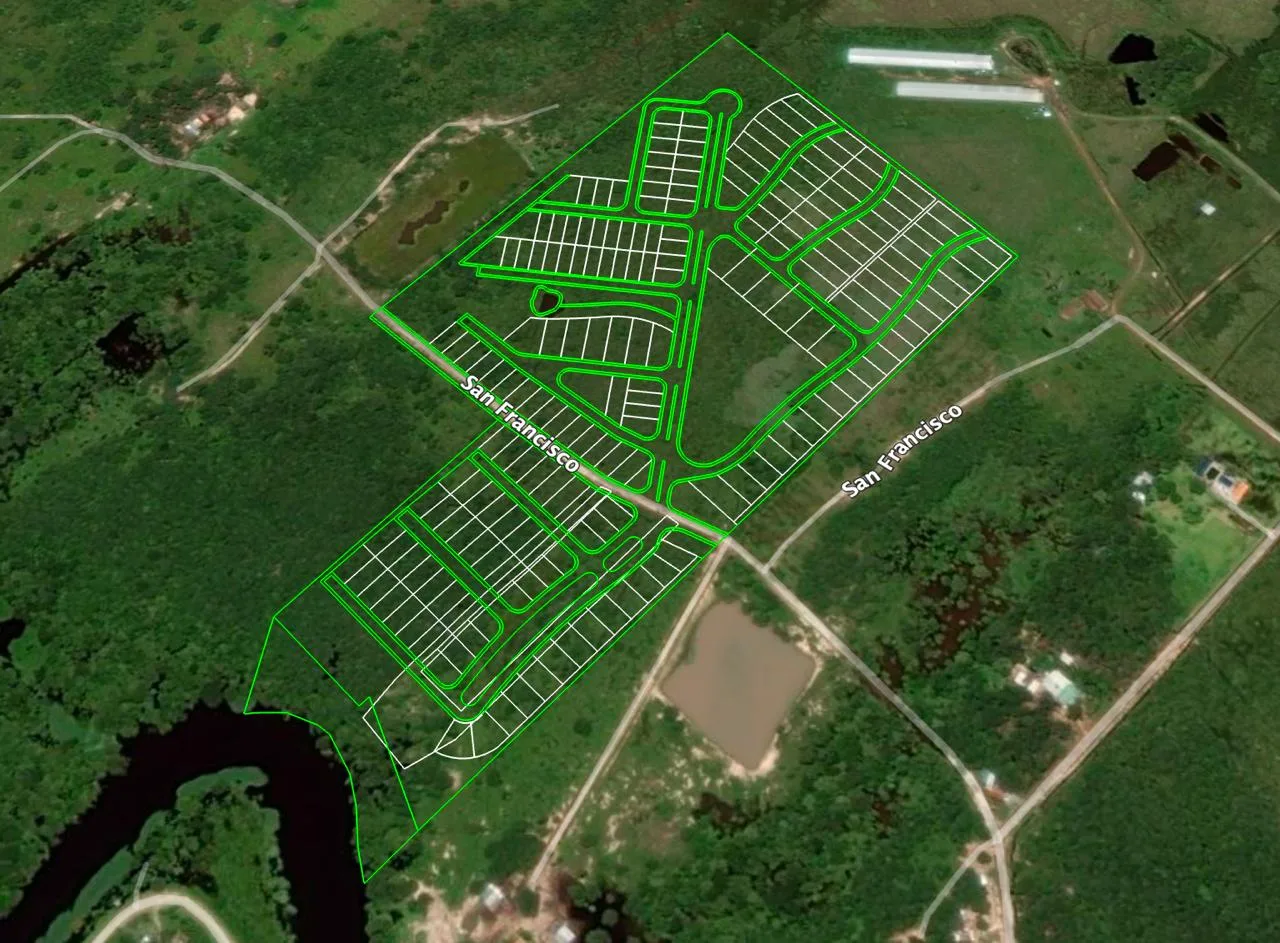
Captured in 12/2015 during the flood period.
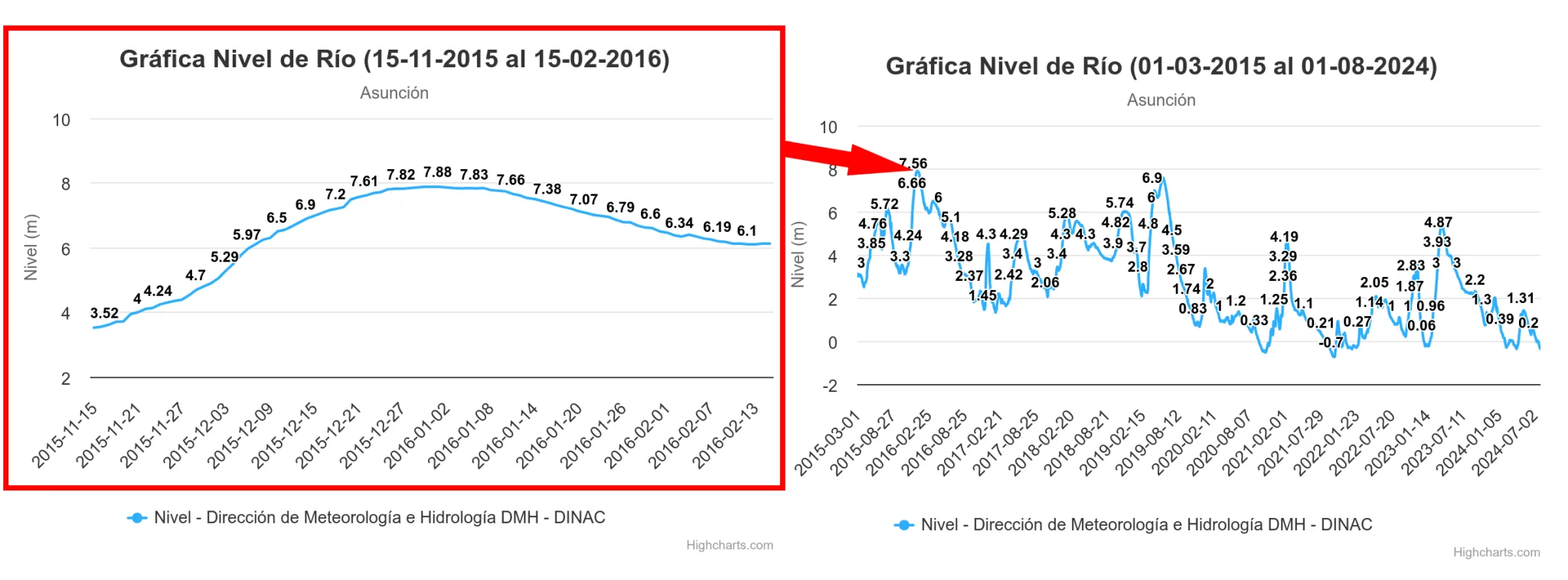
Source: Google Earth, Meteorology and Hydrology Directorate
STILL UNDERVALUED BY INTERNATIONAL STANDARDS
Paraguay: Still Early, Still Undervalued
It is important to step back and look at the broader national context.
Many investors first discover Paraguay through its tax system.
Others through its agricultural sector.
Others through its renewable energy production.
Increasingly, however, international attention is also being directed toward Paraguay’s real estate market.
Compared to many neighboring countries, Paraguay remains in an earlier stage of development.
Urbanization continues.
Infrastructure investment continues.
The housing market continues to evolve.
And land prices in many areas remain significantly lower than comparable locations in more mature Latin American markets.
This combination has attracted growing attention from regional investors, expatriates, entrepreneurs and international buyers seeking exposure to a market that still appears relatively early in its development cycle.
Young & Growing Population
Demographic growth continues to support long-term demand for housing, services and infrastructure.
Low Taxation
10% income tax, 10% corporate tax, 10% VAT — one of the lightest regimes in Latin America.
Affordable Real Estate
Many areas remain significantly more affordable than comparable markets in Argentina, Brazil and Chile.
Strategic Location
Located in the center of South America, Paraguay provides access to Mercosur markets and regional trade routes.
Renewable Energy
Hydroelectric power generated by Itaipú and Yacyretá provides abundant renewable electricity.
Business-Friendly Environment
Paraguay continues attracting increasing attention from investors and entrepreneurs seeking long- term opportunities.
10%
Income Tax
10%
CORPORATE TAX
10%
VAT
Future Development Scenarios
Important Notice
The following topics represent future development scenarios that have been discussed in public planning, infrastructure and regional development conversations.
They should not be interpreted as confirmed projects, guaranteed outcomes or predictions.
Their purpose is to help investors understand how certain regional challenges could potentially be addressed in the future and what impact those solutions could have if implemented.
Future scenarios help explain what may happen. The investment thesis is built primarily on what already exists today.
Future Scenario- THE NEXT CONNECTION COULD BE EVEN MORE IMPORTANT
A Third Bridge
The Héroes del Chaco Bridge transformed how the western side of the Paraguay River connects to Greater Asunción.
By 2025, Asunción’s northern and southern waterfront roads (Costanera Norte and Costanera Sur) had effectively created a ring around the city.
One major missing piece remains: a direct connection between both sections.
For this reason, some planners and observers have discussed the possibility of a third river crossing in the future. Such a connection could link the historic center and the Costanera directly with the western side of the river, creating an even stronger integration between Asunción and the Nueva Asunción corridor.
Why The Discussion Exists
For residents, businesses and investors, this would mean:
A third bridge could make Oasu even more connected to the capital than it is today. Potentially cutting travel times to central Asunción in half.
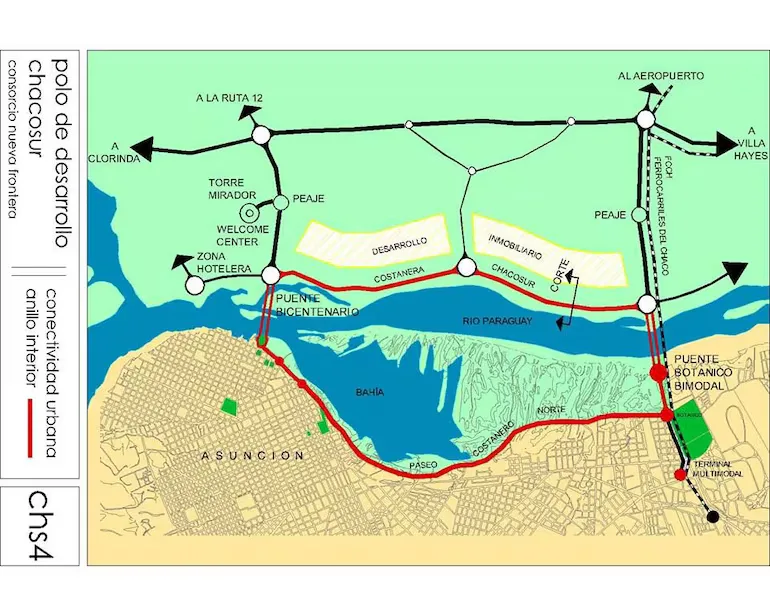
Source: abc.com
Future Scenario- THE CURRENT AIRPORT HAS LIMITED ROOM TO GROW
A New International Airport
One of the most discussed long-term infrastructure topics in Greater Asunción is the possibility of relocating Paraguay’s main international airport outside the existing urban area.
The reason is simple. The current Silvio Pettirossi International Airport is increasingly surrounded by urban development. As cities expand around airports, future growth becomes more difficult.
Runway extensions become challenging. Additional infrastructure becomes expensive. Passenger and cargo capacity can eventually become constrained.
This is why many developed countries have chosen to locate major international airports outside dense urban areas, allowing room for future expansion.
In Paraguay, this discussion is not new. Strategic plans for a future airport location have existed for more than a decade.
In 2023, Paraguay’s National Congress approved Law No. 7083, ratifying an interinstitutional agreement that reserves approximately 3,000 hectares of Ministry of Defense land in Chaco’í for a potential future international airport.
While this does not represent a construction decision, it demonstrates that the topic is being considered at the highest institutional levels.
Why The Discussion Exists
Potential Impact If Implemented
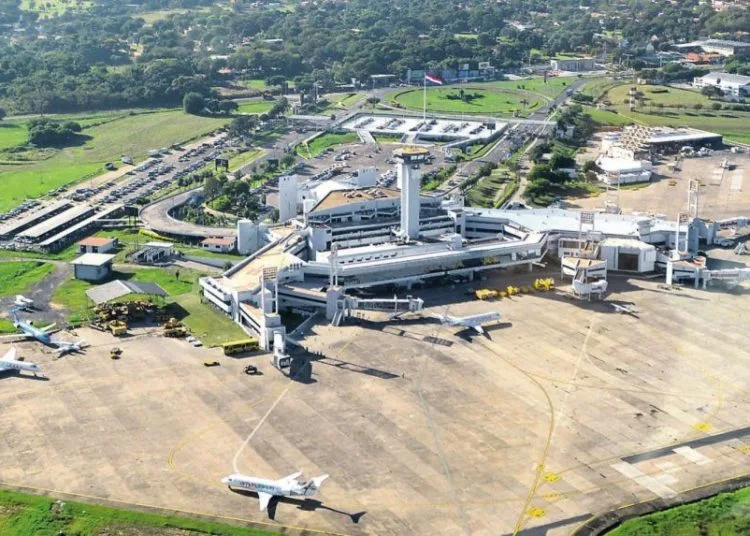
Source: rcc.com.py
Future Scenario – WE HAVE SEEN THIS BEFORE
The same situation also occurred 20 years ago in Santa Cruz de la Sierra
One of the most frequently discussed comparisons to Nueva Asunción can be found in Santa Cruz de la Sierra, Bolivia.
For many years, the area known as Urubó was separated from the city by the Río Piraí. The distance to the city center was short. The development gap was enormous.
Despite its strategic location, limited connectivity prevented the area from becoming part of the city’s natural expansion.
Everything changed when the Mario Foianini Bridge opened in 1999. For the first time, Urubó was directly connected to Santa Cruz.
What followed was remarkable. A largely undeveloped area gradually transformed into one of the city’s most sought-after growth corridors.
Residential developments expanded rapidly. Commercial projects followed. Modern business centers emerged. Land values increased significantly.
The area became an extension of the metropolitan region rather than a separate location across the river.
The Result
Phase 1
Bridge Opens
Access to new land
Phase 2
Development Follows
Projects, prices rise
Phase 3
Second Bridge Needed
Full market maturity
The story did not end there.
As growth accelerated, the original bridge and transportation network eventually became insufficient.
To support continued expansion, the Urubó Village Bridge opened in 2024.
Additional bridges are already being planned.
Today, some proposals envision up to four bridges connecting both sides of the river.
Why Investors Find The Comparison Interesting Twenty-five years ago, Urubó was viewed as a peripheral area separated from the city by a river.
Today, it is one of the most important expansion zones of Santa Cruz.
Residential developments expanded rapidly. Commercial projects followed. Modern business centers emerged. Land values increased significantly.
The area became an extension of the metropolitan region rather than a separate location across the river.
It is interesting because the starting conditions are surprisingly similar:
Twenty-five years ago, Urubó was the other side of the river. Today, it is part of the city.
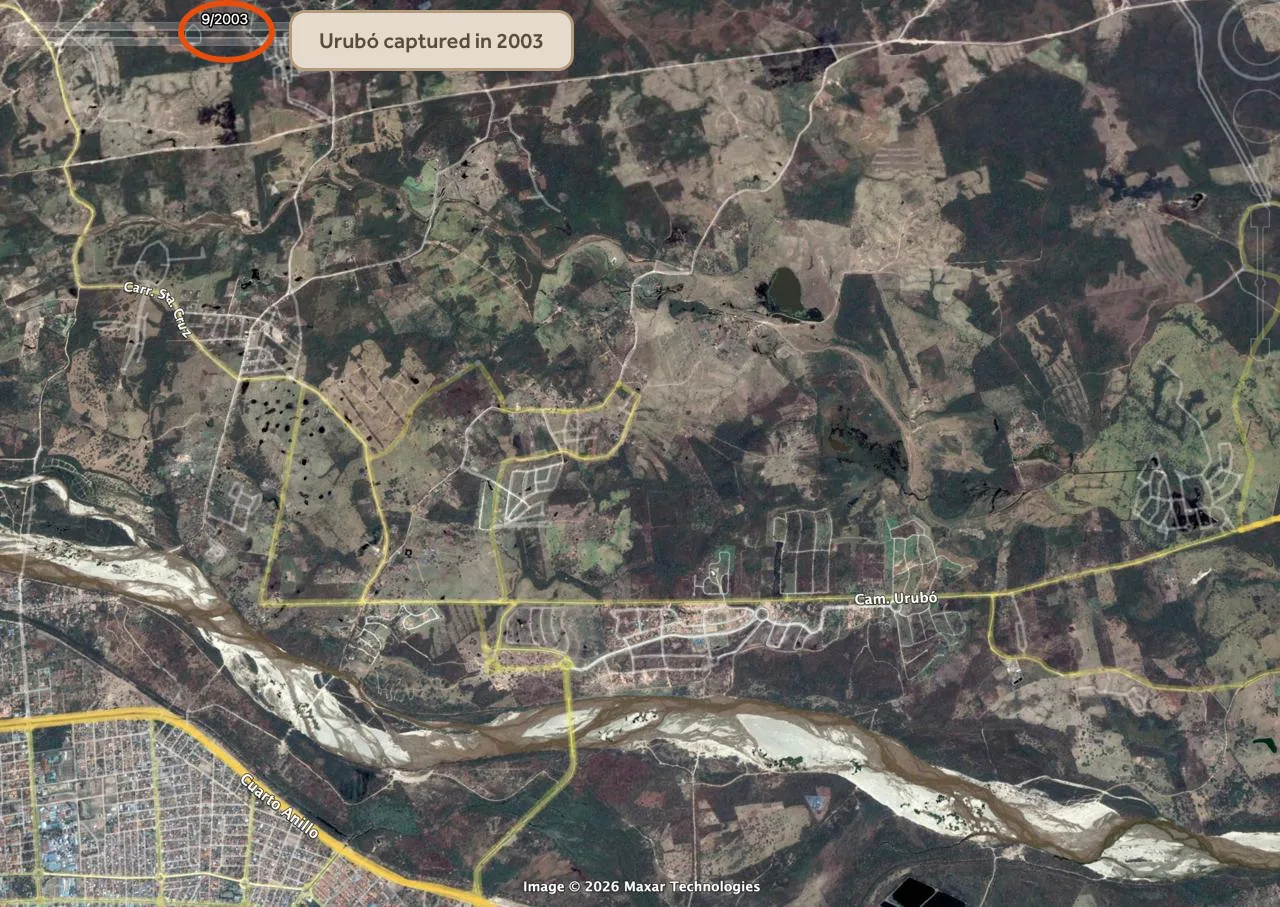
Urubó in 2003.
Source: Google Earth
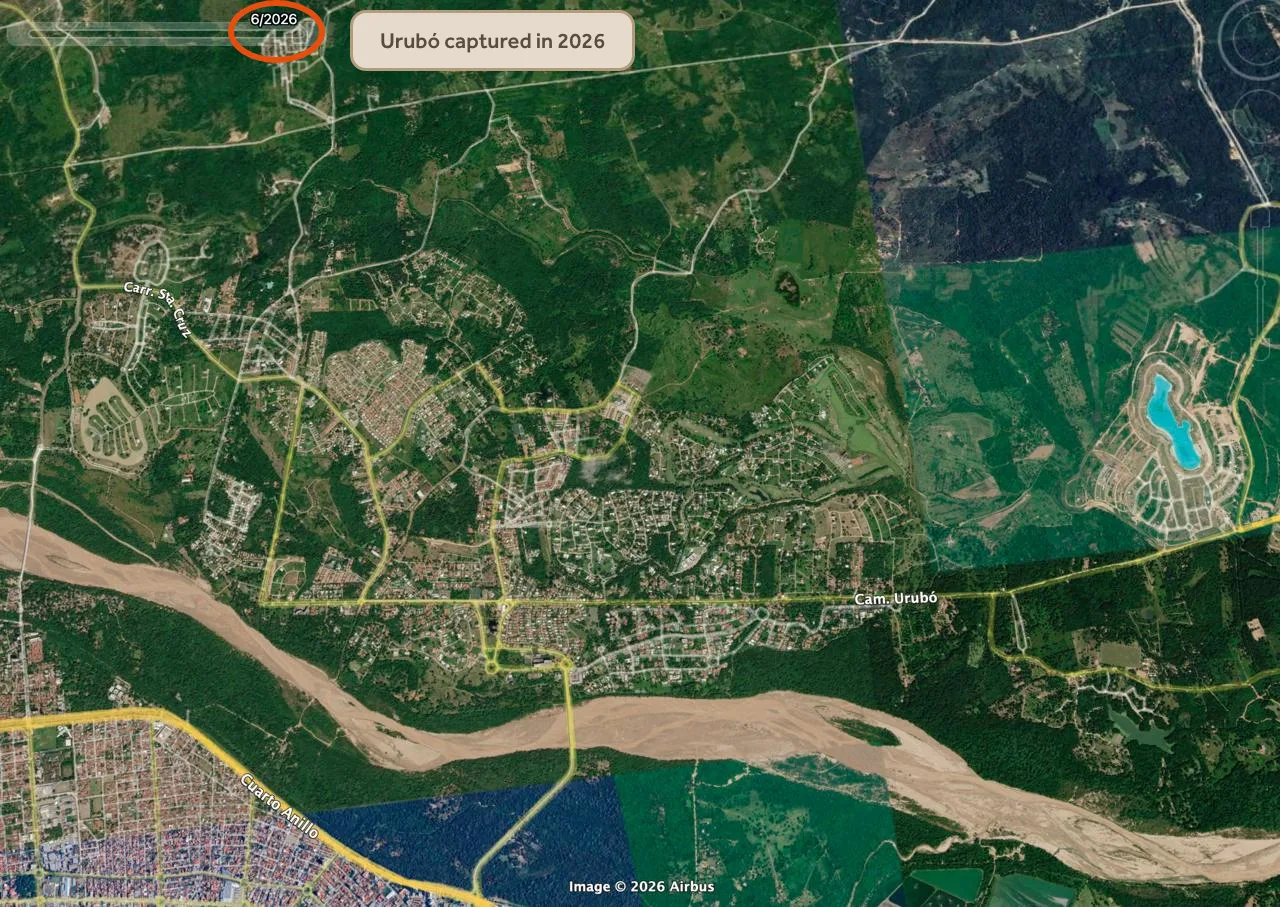
Urubó in 2026.
Source: Google Earth
Why Early Positioning Matters
Oasu Is Still In The Early Stage Of The Corridor
The opportunity is not created when everyone is already there.
The opportunity exists while the transformation is still underway.
Historically, the largest price adjustments tend to occur between the moment infrastructure changes accessibility and the moment the broader market fully recognizes the change.
01
Early-Stage Location Upside
Positioned in the new growth corridor before full market maturity and price convergence.
02
Wellness-oriented community with nature integration, clubhouse, spa, coworking and sport.
03
Professional Masterplanned Development
Curated design, legal structure, environmental studies and infrastructure planning.
The bridge is already built. The corridor is already emerging. The question is how long the market will continue pricing it as an early-stage location.
News
The Region Is Gaining Attention
Recent headlines, public statements and infrastructure developments highlight the growing importance of the Nueva Asunción – José Falcón corridor.
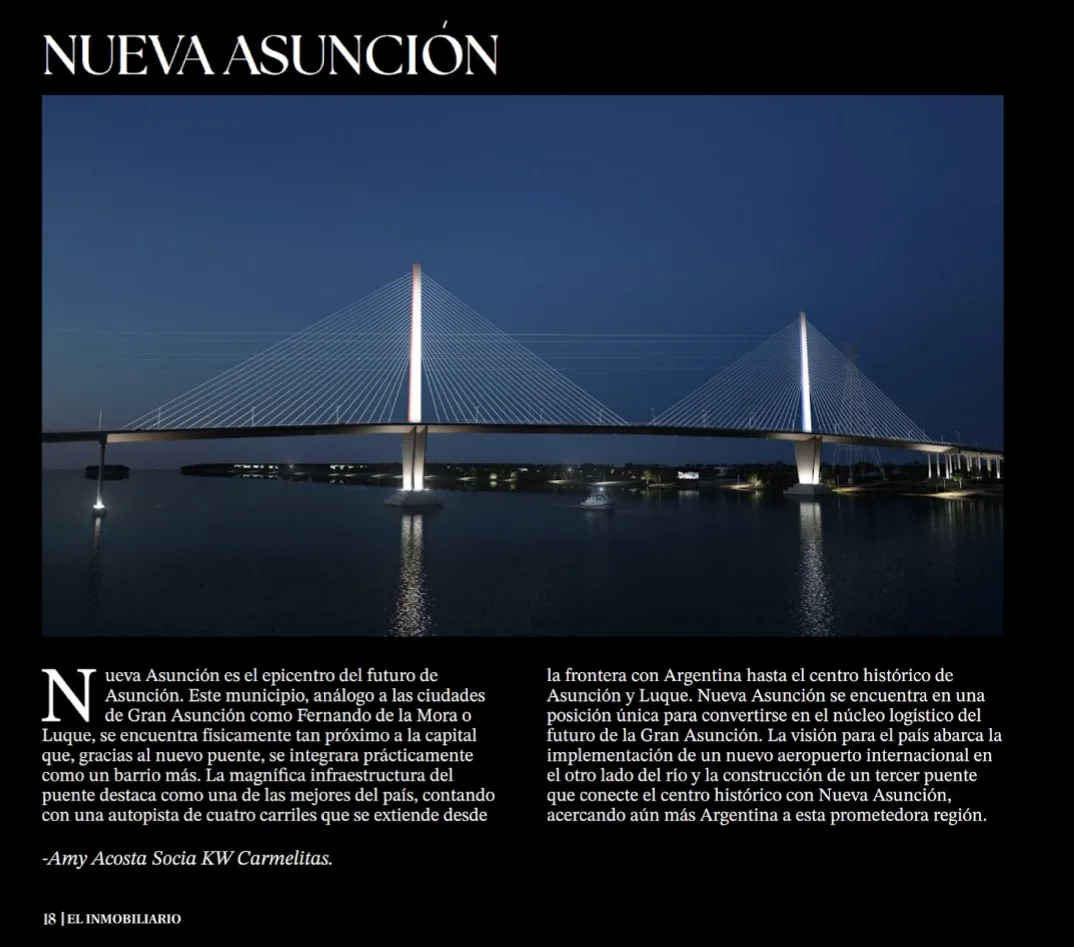
“New Asunción is the epicenter of Asunción’s future”
Source: The Real Estate Agency
“Nueva Asunción and Encarnación are the new promises for promoting second homes.”
Source: Forbes
“In summary, the physical connection with the country’s capital promises to open new opportunities and give a significant boost to the development of Nueva Asunción, consolidating its position as a growing center in the heart of Paraguay.”
Source: El Nacional
“The Heroes of Chaco Bridge opens the doors to an oasis of opportunities in Nueva Asunción.”
Source: FOCO
“Almost a year after the inauguration of the Heroes of Chaco Bridge – which required an investment of US$ 130 million – the results of the integration can be seen, which represented an important kick-off for real estate development in Chaco’i, renamed Nueva Asunción in 2021. Today, the arrival of real estate companies interested in investing in projects in the area, as well as commercial and gastronomic establishments, is foreseen.”
Source: Infonegocios
“This real estate phenomenon reflects the growing attraction of investors and residents to the area, driven by the improved accessibility that the new bridge will provide.”
Source: El Nacional